
1. Core Sports Production & Spectator Sports
This is the heart of the industry—the actual creation of the games and events that fans watch.
Leagues, Franchises, & Clubs: Entities like the Premier League, NBA, or local clubs that generate revenue via ticket sales (gate receipts), merchandise, and local partnerships.
Event Management & Live Tournaments: Companies that organize massive events like the Olympics, grand slams, or local marathons, managing logistics, security, and hospitality.
eSports & Competitive Gaming: A rapidly growing sub-sector featuring professional video game leagues, tournament organizers, and team franchises built around digital competition.
2. Sporting Goods, Apparel, & Equipment
The physical product side of sports, which is highly competitive and heavily driven by brand marketing.
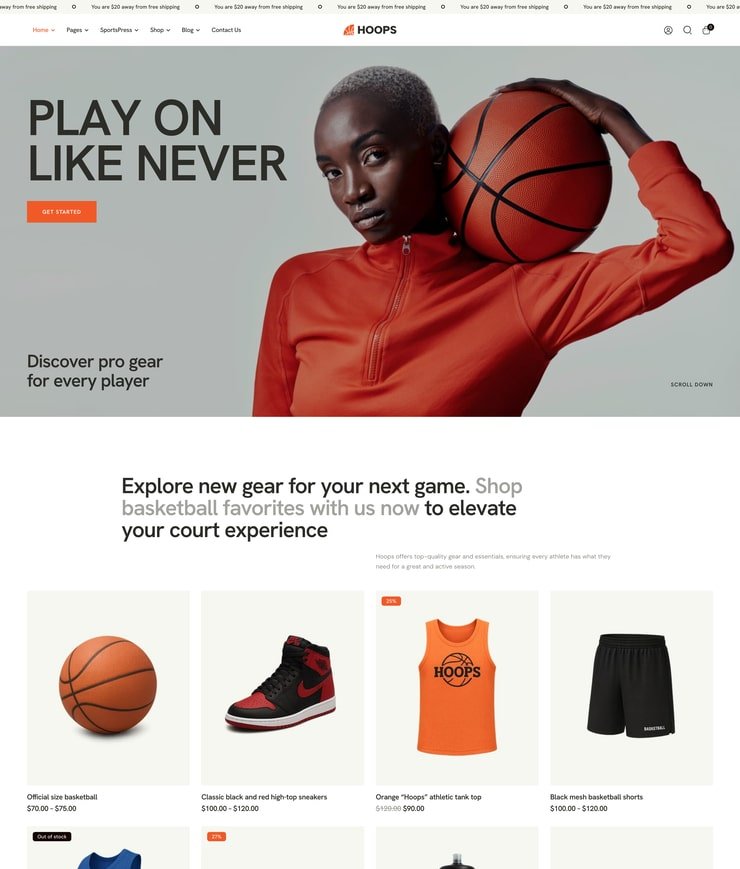
Athletic Footwear & Apparel: Designing, manufacturing, and retailing clothing and shoes for both performance and everyday casual “athleisure” wear.
Hard Goods & Gear: Manufacturing the physical tools of play, such as golf clubs, tennis rackets, gym equipment, and inflatable balls.
3. Sports Media, Tech, & Data Analytics
This sector controls how sports are consumed and how data is used to optimize player performance and fan experiences.
Broadcasting & Streaming Platforms: Networks and platforms that bid massive sums for media rights to broadcast games live.
Sports Tech & Data Firms: Companies (like Sportradar) that track player statistics, ball trajectories (e.g., Hawk-Eye in tennis), and real-time data to feed media networks, coaching staffs, and betting markets.
4. Sports Marketing, Sponsorships, & Talent Agencies
The business backend that connects athletes and teams with corporate money.
Talent Representation (Agencies): Sports agents who handle contract negotiations, endorsements, and career management for professional athletes.
Sponsorship & Brand Activation: Agencies that broker and manage corporate sponsorship deals (e.g., a stadium naming rights deal or a brand logo on a team jersey).
5. Fitness, Wellness, & Mass Participation
The commercial sector focused on the everyday participant rather than the elite professional.
Commercial Gyms & Boutique Studios: Membership-driven fitness clubs, yoga studios, and specialized training facilities (like CrossFit boxes).
Sports Coaching & Science: Personal training, youth sports coaching, and performance analysis using biomechanics to optimize movement.
6. Sports Medicine & Athlete Health
The specialized health sector focused entirely on keeping human bodies operating at peak physical capacity.
Physiotherapy & Rehabilitation: Treating sports-related injuries and designing recovery programs.
Sports Nutrition & Supplements: Formulating energy drinks, protein powders, and dietary supplements optimized for athletic endurance and recovery.
7. Sports Wagering & Collectibles
Adjacent markets that rely heavily on fan engagement and the outcomes of professional sports.
Sports Betting & Daily Fantasy: Platforms allowing fans to place wagers on game outcomes or build fantasy rosters based on real-world player statistics.
Memorabilia & Merchandising: Trading cards, signed game-worn gear, and digital collectibles (like sports NFTs).